
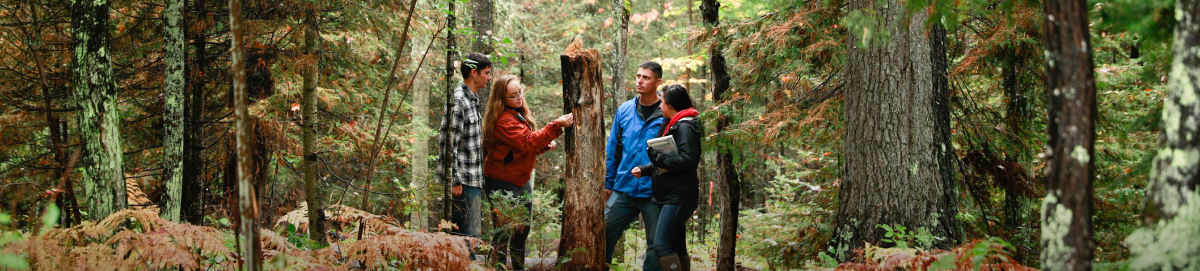
Banner Image For Hibbing Community College

1851 US-169
Grand Rapids, MN 55744
United States

Certificates / Diplomas
Associate Degree
Consolidated with other Minnesota North Campuses in May 2022. At Itasca, students can choose from a wide range of academic programs, including liberal arts and sciences, natural/forest resources, wildland firefighting, Class-Act pre-education, engineering, Indigenous Studies, child development, applied psychology/human services, mental health practitioner, geographic information systems, fitness specialist, health sciences broad field, practical nursing, nursing assistant, sport management, IT networking and security, graphic design and visual communications, welding, and manufacturing. Students planning to transfer can complete coursework in a variety of transfer pathways, including accounting, biology, business, communication studies, early childhood education, English, economics, exercise science, history, mathematics, pre-social work, psychology, and sociology. Student life is active and welcoming, with opportunities to get involved in clubs, athletics, and outdoor recreation. Itasca has athletic opportunities in men's and women's basketball, men's and women's wrestling, baseball, softball, volleyball, and trap shooting. Students have free access to equipment like mountain bikes, kayaks, snowshoes, and camping equipment to enjoy northern Minnesota's lakes, forests, and trails. Itasca offers both on-campus housing and dining services as well as a variety of student support services designed to help students succeed. Through the ICC Foundation, students have access to a wide range of scholarships that help make college more affordable and support their academic goals. Small class sizes, personalized attention from faculty, and a strong sense of community create an environment where students are known and supported. Whether students are planning to transfer to a four-year university or enter the workforce, Itasca provides a flexible, affordable pathway to reach their goals.
The following information should help you understand the cost of attending college. Keep in mind that most students receive a financial aid package (grants and scholarships) which lowers their out-of-pocket cost. This is reflected on the net price information, if available.
Living On-Campus
19,673
Living Off-Campus
19,673
Living with Family
19,673
The amounts above pertain to first-time full-time undergraduate students and include tuition and fees, housing and meals, transportation, and personal expenses. Use these estimated amounts as a reference for building your annual budget for attending this institution.
Average Net Price $9,957 / year

This is the average annual amount that first-time, full-time undergraduate students pay at this institution after subtracting all grants and scholarships from the cost of attendance.

Show Net Price details
Net cost after grants and scholarships by income
$0-$30,000: $7,387
$30,001-$48,000: $8,001
$48,001-$75,000: $10,981
$75,001-$110,000: $13,915
Over $110,000: $16,002

This net price data shows the average amount students have paid, according to their family income, after subtracting all grants and scholarships.

Student/Faculty Ratio
17:1
Size of Student Body
859
Average Class Size
21
Show Undergraduate Student Body details
Breakdown by Race
American Indian or Alaska Native: 3%
Black or African American: 8%
Hispanic: 6%
Asian: 1%
White: 75%
Two or more races: 6%
International Students: 2%
Unknown: 1%
Breakdown by Age
19 and Younger: 47%
20 to 24: 28%
25 to 34: 14%
35 to 44: 7%
45 and Older: 4%
Breakdown by Gender
Men: 52%
Women: 47%
New entering students who are transfers
31%

Graduation Rate for Two-Year Programs
42%
Show Graduation Rate 2-yr Institution details
Completers within 3 years by race
American Indian or Alaska Native: 11%
Black or African American: 24%
Hispanic: 45%
Asian: 50%
White: 46%
Unknown: 100%
Two or more races: 29%
Completers within 3 years by Gender
Men: 43%
Women: 40%
Retention Rate
59%
Show Retention Rate details
Retention Rate By Type
Full-time: 63%
Part-time: 41%
Small town/rural
Small town/rural
Small town/rural
Small town/rural
Small town/rural
Small town/rural
Average amount of federal, state, local, institutional or other sources of grant aid awarded to undergraduate students
$4,673

The following information pertains to first-time full-time undergraduate students.

Show Financial Aid details
Average amount of aid awarded to full-time first-time undergraduates
State/Local grant aid: $2,370
Institutional grant aid: $1,383
Federal grant aid: $3,987
Average amount of grant aid awarded by income (all sources)
$0-$30,000: $8,112
$30,001-$48,000: $6,701
$48,001-$75,000: $5,044
$75,001-$110,000: $1,598
Over $110,000: $114
School Scholarships
No
Required Financial Aid Application(s):
Financial Aid Application Deadline(s):

A FAFSA needs to be completed each year you are in college. Complete the FAFSA anytime after October 1.

Title IV (FAFSA) School Code:
002355
Financial Aid Contact

This section shows the median debt graduates incurred to complete their degree at this institution.

Median Cumulative Debt by Degree Type
  • Associate's Degree: $6,500
  • Undergraduate Certificate: $6,362
Percent of Graduates With Loans
  • Associate's Degree: 650,000%
  • Undergraduate Certificate: 34%

Application Fee
$20
  • System applications (online)
  • School applications (online)
  • Either ACT or SAT
  • High School Diploma or GED
  • Other admission tests may be used in some circumstances or programs but not required for general admission.
  • Transcripts
  • Certain programs require physical exams, background checks and/or special entrance requirements.
  • Accepts dual credits
  • Accepts exam-based credits
  • Institution awards credits for military training
Application Timelines

Financial Aid Application Deadline

A FAFSA needs to be completed each year you are in college. Complete the FAFSA anytime after October 1.

Open Admissions Deadline

Prior to first day of class.

Admissions Contact
This profile features institution-wide data. Be aware that some categories may not be showing and that data is suppressed when reporting is for 10 or less students. Most data and terminology is sourced from IPEDS. To learn more about each section, please refer to Data Sources. The College Search Tool provides information and reported data for postsecondary institutions in Minnesota that receive federal and state financial aid. For licensed occupational training providers in Minnesota, please visit OHE's Licensed Career Schools.